The people
and the lineage
Who teaches at SDCD
In most martial arts schools a 1st Dan (shodan) black belt represents three to four years of training. In the de Jong tradition, shodan represents approximately a decade of serious, consistent practice. The credentials below reflect that standard.
Owner | Principal Instructor
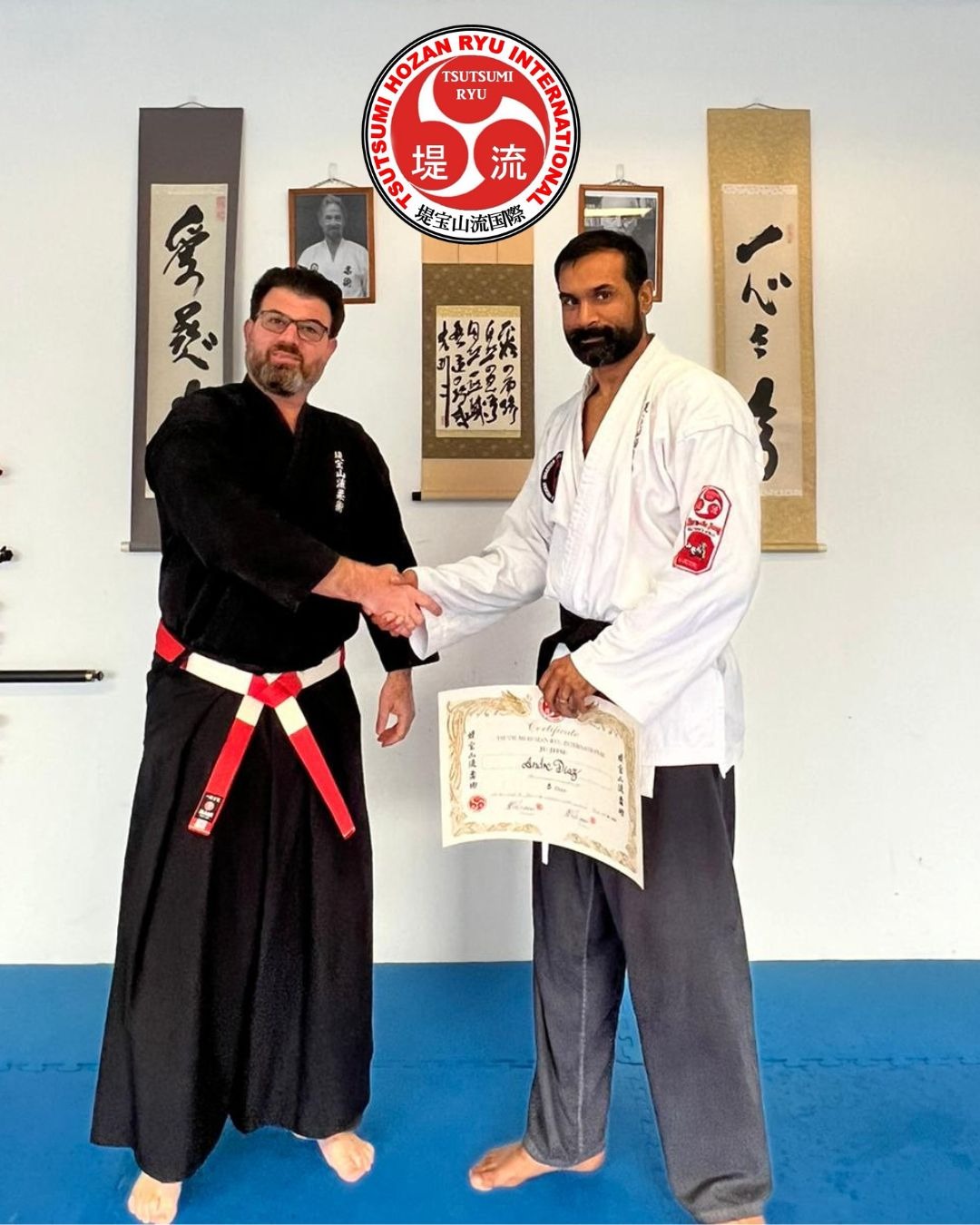
Andre Diaz
Andre teaches most regular adult classes himself. His approach during class is observation-based — he moves through the room watching what students are actually doing, correcting body position before habits form.
He leads Self Defence Central Dojo with nearly 40 years of martial arts experience, having started training under de Jong lineage since 1985.
- 3rd Dan Tsutsumi Hozan Ryu International Jujutsu,
- 1st Dan Hans de Jong Self Defence School,
- 3rd Kyu Shotokan Karate Tadashii-Do Netherlands
Anil
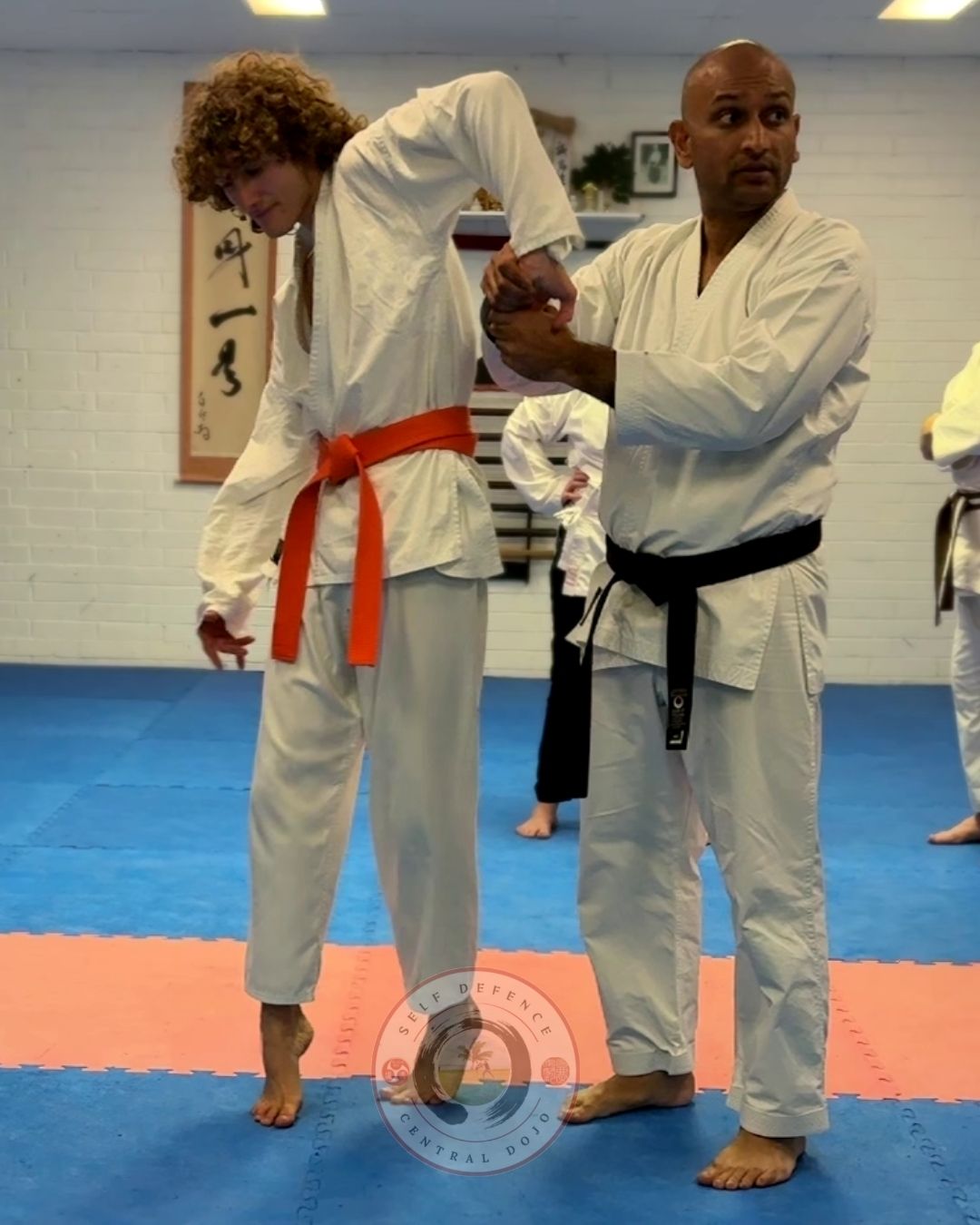
Anil has trained and taught at Self Defence Central Dojo, contributing to the development of students in both arts. His journey in martial arts reflects a strong commitment to discipline, self-defence, and the preservation of traditional techniques. In addition to his martial arts expertise.
- 1st Dan – Tsutsumi Hozan Ryu International Jujutsu
- 1st Dan – Shotokan Karate Tadashii-Do Netherlands
- 4th Dan Karatenomichi World Federation
- - Class C - International Instructor
- - Class C - International Examiner
- - Class C - International Referee
B'Elanna
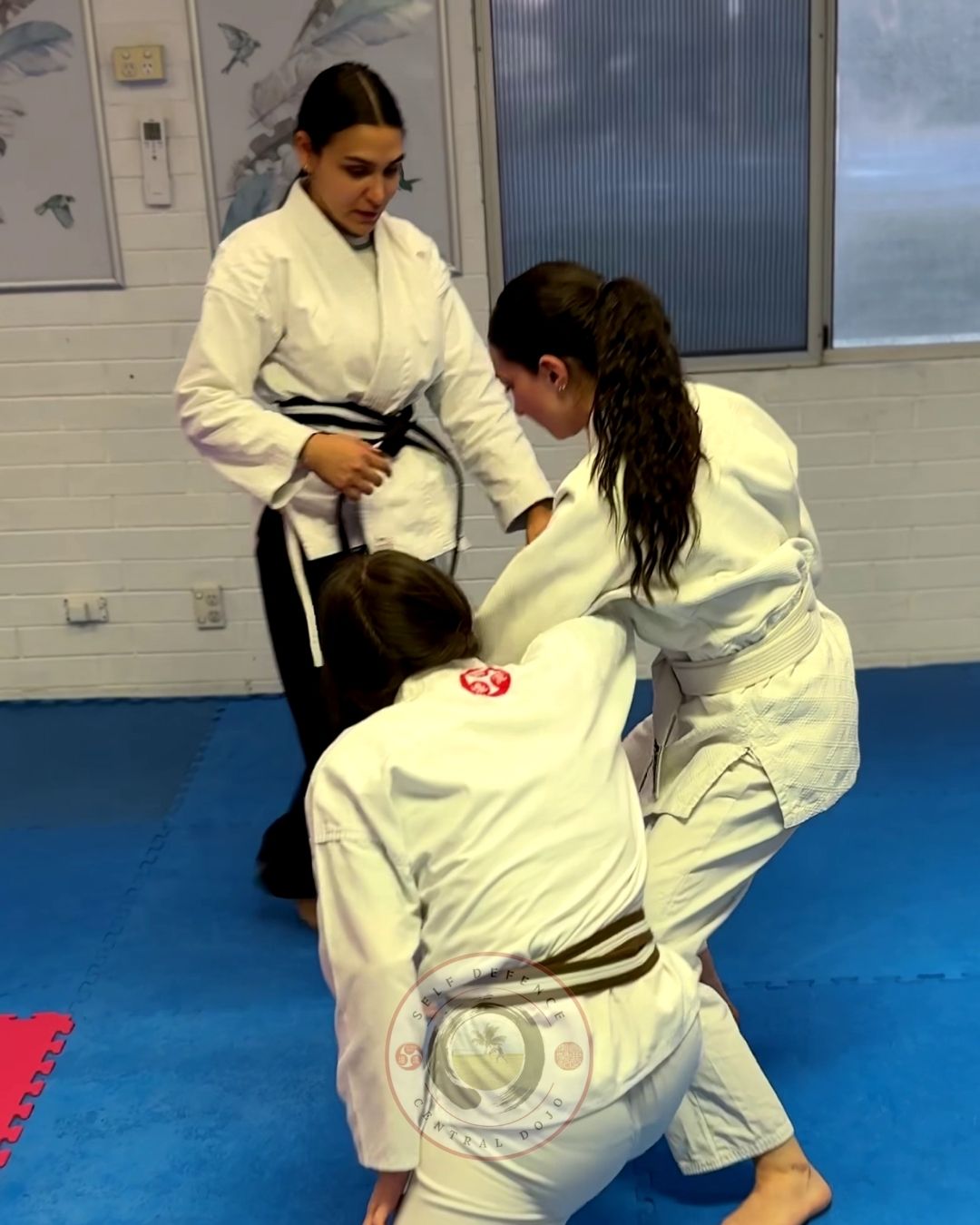
B’Elanna Diaz is a dedicated martial arts instructor and student at SDCD. Specialising in Tsutsumi Hozan Ryu Jujutsu, she leads programmes such as the "Empower-HER" women's self-defence workshops, equipping participants with practical skills and confidence to navigate the world safely.
In addition to adult classes, B’Elanna contributes to the "Young Samurai" program, focusing on building self-esteem and resilience in children through martial arts training.
- 1st Kyu Tsutsumi Hozan Ryu Jujutsu
- Young Samurai Instructor
- Empower-Her Womens Self Defence Instructor
Jeremy
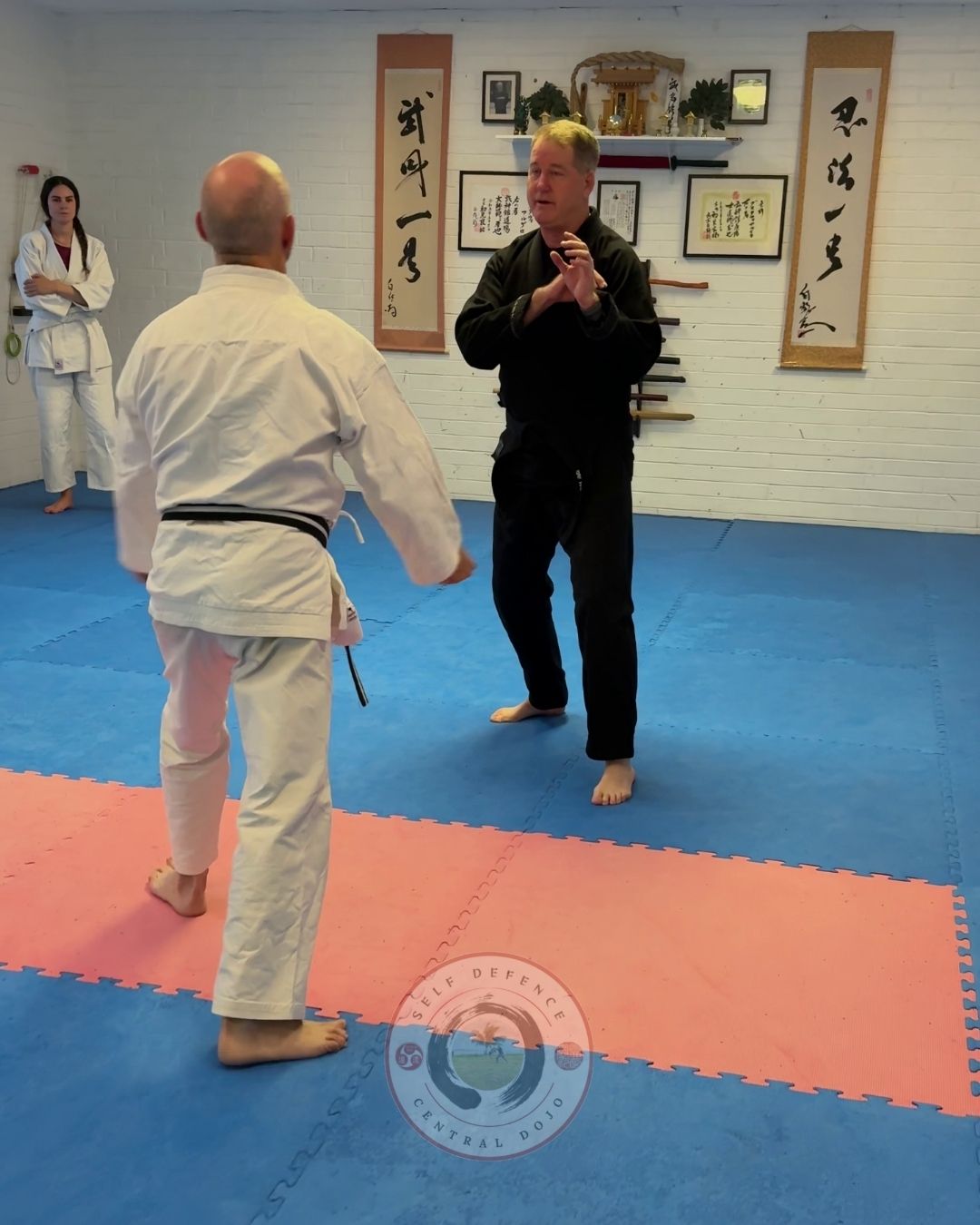
Experienced martial arts coach and defence instructor with over 25 years in Jujutsu, Karate, and Tae Kwon Do.
- 1st Dan Tsutsumi Hozan Ryu International Jujutsu
- 4th Kyu Shotokan Karate
- 2nd GUP Tae Kwon Do.
- Accredited Level 2 Coach (AJF),
- Army Combative Instructor (L1–L3), and
- Military Instructor Qualified.
- Master’s in leadership (Curtin University)
- Cert IV in Training & Assessment.
Mason
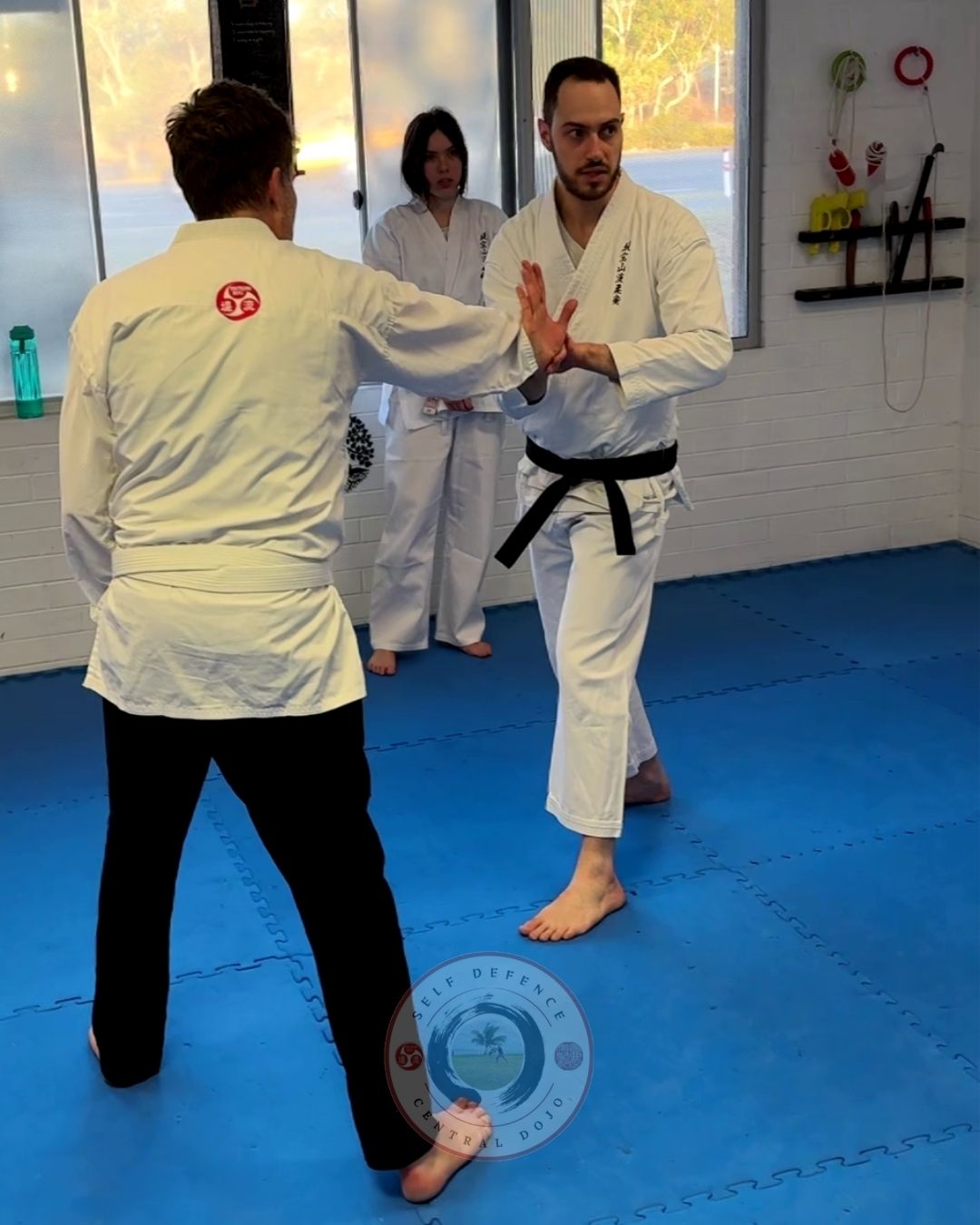
An accomplished martial artist and a dedicated student/instructor at Self Defence Central Dojo in Perth.
- 1st Dan Tsutsumi Hozan Ryu International Jujutsu
Built on a solid foundation
Hans de Jong Shihan
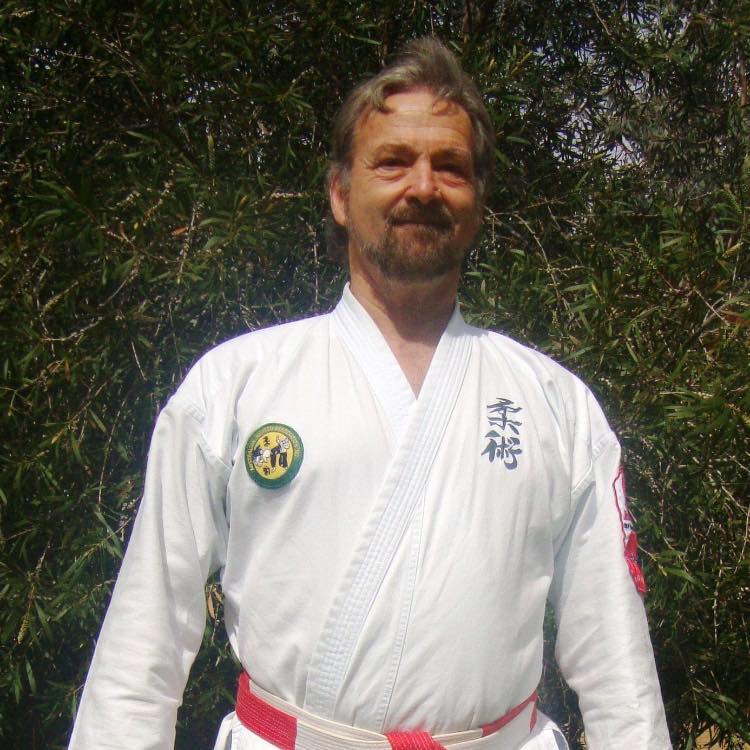
Hans began training under his father Jan de Jong in 1955. He trained in Holland for several years in Taekwondo, Shotokan Karate, and Aikido.
In 1974 both Hans and Jan trained for two years, 6 days a week with Yoshiaki Unno - the Australian representative of the Budo Yoseikan of Minoru Mochizuki and graded 1st Dan in Yoseikan Aikido.
Hans assisted his father in teaching the Australian Special Air Service Regiment. Jan de Jong was chief instructor and advisor to the regiment. That relationship resulted in the development of a close combat system for use throughout the Australian Army.
Hans has taught seminars nationally and internationally — Holland, Germany, Belgium, Norway, Sweden, Denmark, England, and Indonesia. He has taught the Head-Injured Society, senior citizen groups, high schools, and the Academy of Performing Arts.
He is Patron of the Tsutsumi Hozan Ryu International programme and still teaches today.
Dan Newcombe Shihan
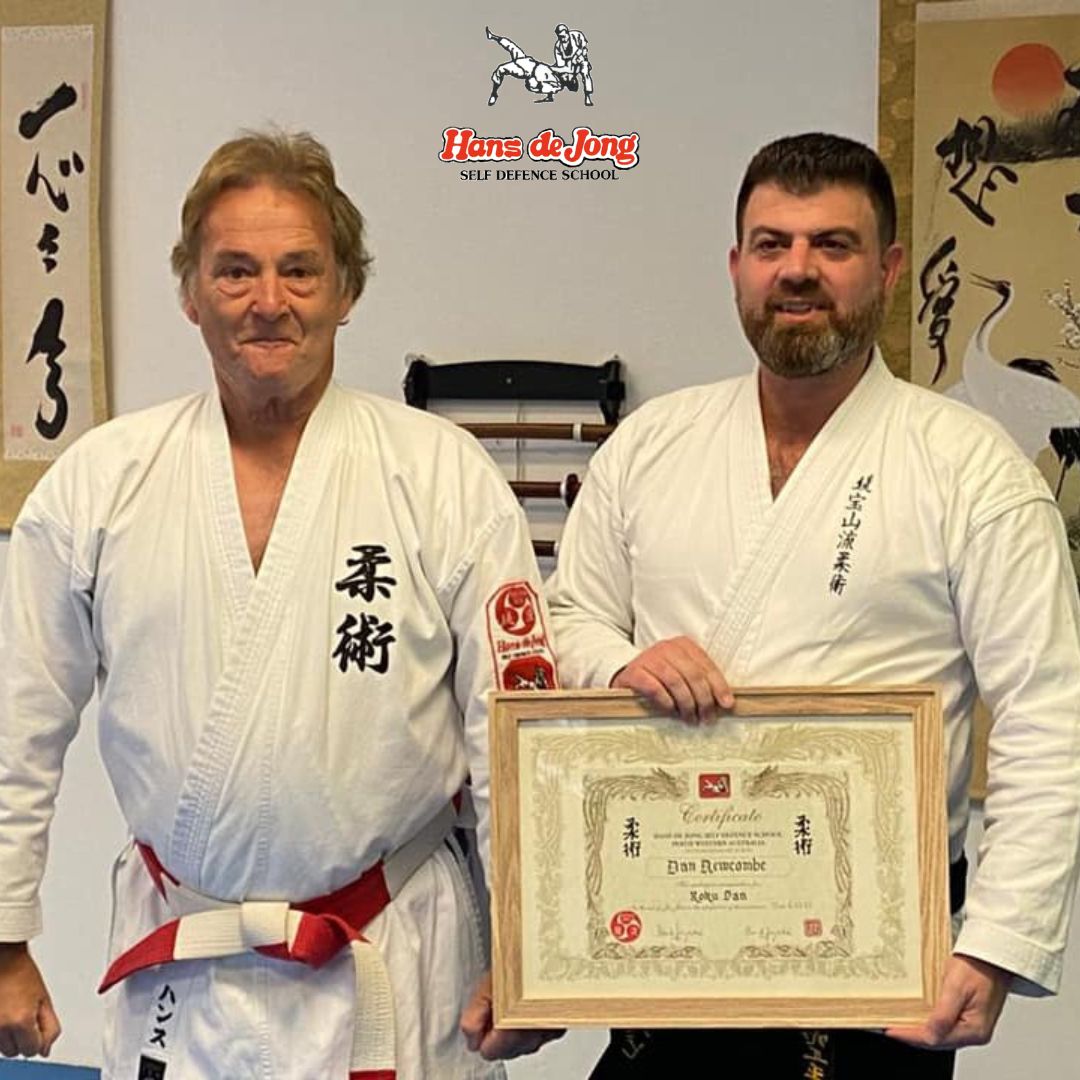
6th Dan de Jong Tsutsumi Hozan Ryu Jujutsu
2nd Dan WSKA Shotokan Karate
Dan
6th Dan — Tsutsumi Hozan Ryu Jujutsu 2nd Dan — Shotokan Karate
Hans de Jong's senior student. Awarded the title of Shihan by Hans. Received his 1st Dan from Hans de Jong in 2006. Daniel Newcombe established the Tsutsumi Hozan Ryu International programme — the formal structure through which the art is now taught and graded across affiliated schools in Australia, Europe, and beyond. Grades awarded within THRI carry international recognition.
Andre Diaz's 3rd Dan was awarded by Daniel Newcombe within the THRI programme. The grading structure current SDCD students train within is the structure Newcombe built. Daniel Newcombe still teaches. He still comes to this dojo.
Our teachers teachers
Jan de Jong, 8th Dan, OAM.
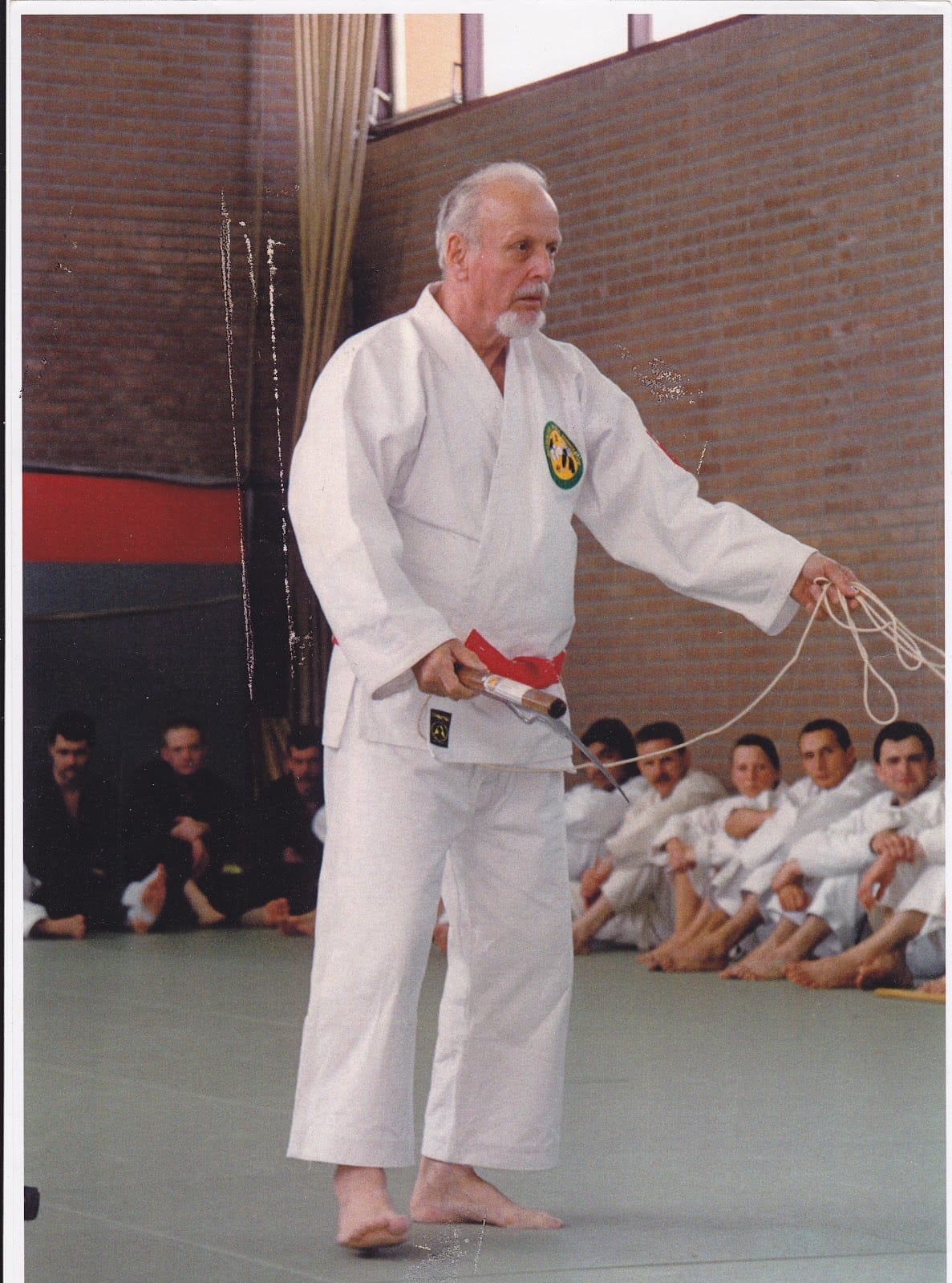
Jan an de Jong was born in Semarang, Indonesia in 1921. He began training jujutsu at age seven under the Saito brothers — two Japanese instructors who rarely taught non-Japanese students. His father's friendship with one of them opened the door.
The Saito brothers taught Tsutsumi Hozan Ryu. Classes ran two to three hours a day, seven days a week, every day of the year. Before leaving for Holland in 1939 — aged eighteen — Jan received his 3rd Dan from the Saito brothers. The highest technical grade they awarded. All higher grades were honorary.
Three months after he arrived in Holland, WWII began.
He emigrated to Perth with his family in 1952. His physiotherapy qualifications weren't recognised in Australia. He initially worked as a labourer. It wasn't long before workmates asked him to teach. He taught during his lunchbreak, on what is now the site of the West Australian Parliament, for no charge.
He opened his first school in Perth that same year. After several relocations, the school settled at 996 Hay Street in the CBD in 1963 — where it remained until his death. By his own account, he was the only full-time martial arts instructor in Australia at that time.
In 1969, aged 48, he travelled to Japan and trained as uchideshi under Minoru Mochizuki in Shizuoka. In 1974 he sponsored Yoshiaki Unno to come to Perth, where Jan and Hans trained under him for two years.
In 1979 he was appointed Chief Instructor and Adviser to the Australian Special Air Service Regiment. Major Greg Mawkes MBE had consulted multiple Perth martial arts schools before concluding Jan was his man. The relationship produced a close combat system developed for use throughout the Australian Army.
The school grew to 800 to 1,000 students at its peak — without sensationalisation or inflated promotion. Jan taught seminars nationally and internationally over two decades, covering Austria, Belgium, Denmark, England, France, Germany, Holland, Indonesia, Italy, Malaysia, New Zealand, Norway, Poland, Spain, Sweden, and the United States.
In 1990 the Australian Government awarded him the Order of Australia Medal.
His last European tour was 1999. He suffered heart problems during the tour and was hospitalised. He passed away on 5 April 2003.
The curriculum he built — developed, refined, and transmitted across fifty years of teaching — is the curriculum taught at Self Defence Central Dojo today.
"I never worried about dan grades — you just know what you know. Dan grades don't say very much anymore. In my time it said something. What is important is what you can give the people." — Jan de Jong, 2002
Minori Mochizuki Kancho
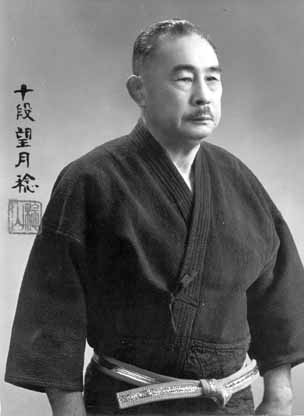
10th Dan Aikido | 9th Dan Nihon Jujutsu 8th Dan Katori Shinto Ryu | Iaido | Judo Menkyo Kaiden Daito Ryu Aikijujutsu
Founder of Budo Yoseikan in Shizuoka, Japan. Direct student of Jigoro Kano, Gichin Funakoshi, and Morihei Ueshiba — three of the most significant figures in 20th century martial arts.
In 1969 Jan de Jong spent three months as uchideshi in Mochizuki's Yoseikan Dojo — an encounter that shaped the analytical framework Jan brought back to Perth and built into his curriculum.
Yoshiaki Unno Sensei
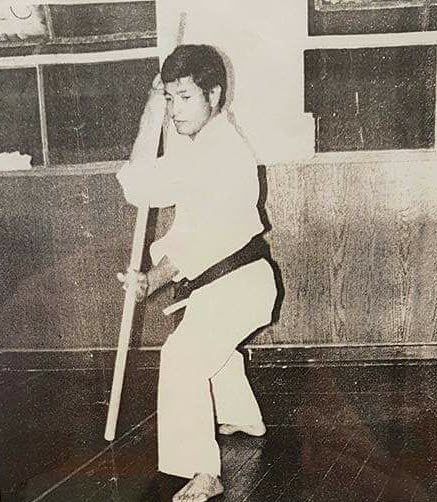
8th Dan Aikido | 8th Dan Karate | 8th Dan Iaijutsu | 8th Dan Kobudo 4th Dan Kenjutsu | 2nd Dan Shorinji Kempo | 2nd Dan Judo
Arrived in Perth in 1974 at Jan de Jong's request. Jan and Hans trained under him for two years — six days a week. That sustained transmission deepened the body movement and unbalancing foundations of the de Jong curriculum.
His legacy continues through several Perth martial arts schools operating today.
How the curriculum took shape
When Jan de Jong trained as uchideshi under Minoru Mochizuki in 1969, he didn't come away with a new system. He came away with a clearer way of explaining the one he already had.
Jan had trained in Tsutsumi Hozan Ryu under the Saito brothers since the age of seven. Mochizuki — who had studied directly under Kano, Ueshiba, and Funakoshi — taught with an analytical method, breaking technique into distinct phases the way Kano had done for judo.
Jan recognised in that method the same body movement principles he'd been taught as a child. What Mochizuki offered was a framework to teach them systematically. Jan returned to Perth and formalised his own three-phase approach: taisabaki (body movement), kuzushi (unbalancing), waza (technique).
That structure became the backbone of his grading syllabus — the same syllabus now taught and graded within the Tsutsumi Hozan Ryu International framework. Every technique, from the first grade to black belt, is built on those three phases.
The art itself remained what it had always been: Tsutsumi Hozan Ryu, transmitted from the Saito brothers, refined across fifty years of teaching, and carried forward today through the THRI lineage.
Ready to find out if this is for you?
The curriculum described on this page runs through all four programmes at Self Defence Central Dojo.
The decision page for each programme tells you who it's for, what the first session is like, and how to start a conversation.
Please select what you would like to know more about...
SELF DEFENCE CENTRAL DOJO
Unit 7a, 44 Hutton Street, Osborne Park, Perth, WA 6017
Andre: 0431 011 828
© Copyright 2026.All rights reserved.